
How to Steam a Quinceañera Dress Safely
Quinceañera Planning Guide
A quinceañera gown spends months in a garment bag and comes out with wrinkles in every layer. Steaming is the safest way to smooth tulle, satin, and lace at home, and the whole job takes under an hour once you know the order to work in.
In our Quinceañeras on a Budget community of 120,000+ families, dress care questions come up constantly the week before the party. This guide walks you through steaming the gown, the court's outfits, and every accessory without damaging a single bead.
This post may contain affiliate links. As an Amazon Associate, we earn from qualifying purchases at no additional cost to you.
Why steaming beats ironing
Most quinceañera dresses are made with delicate materials:
- Tulle
- Organza
- Satin
- Lace
- Chiffon
- Beading and embroidery
Ironing can flatten texture, melt synthetic fabrics, or damage embellishments. Steaming gently relaxes wrinkles without direct pressure, which makes it the safest option for formal gowns. The same care instructions apply to budget Amazon quince dresses, since they use the same delicate fabrics as boutique gowns.
What you will need
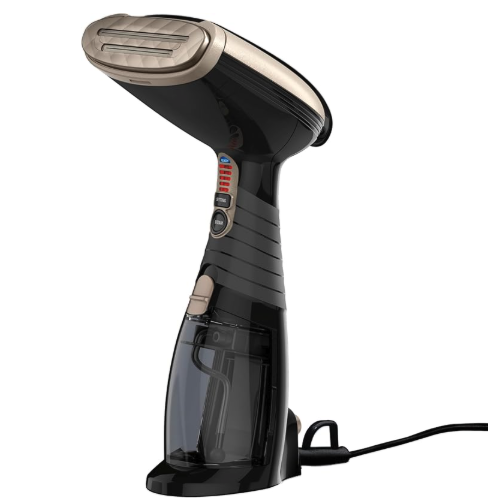
- A handheld or standing garment steamer (Amazon Link)
- A sturdy hanger
- A clean, open space
- Distilled water
- A clean white towel
Optional but helpful
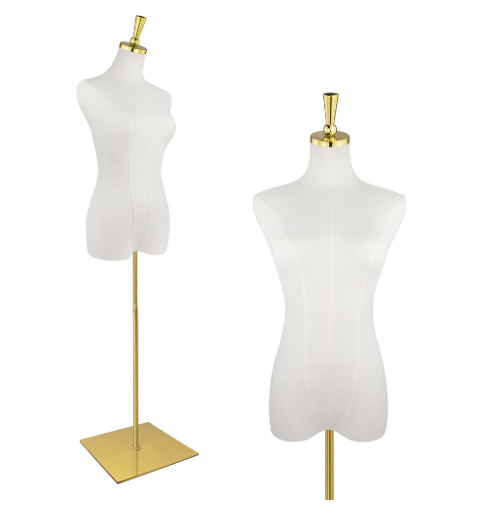
A dress form holds the gown at full height while you work: Female Mannequin Torso, 53"-73" Height Adjustable Dress Form Mannequin for Women with Golden Metal Stand, for Sewing and Display Beige.
- A dress form or mannequin (Amazon Link)
- A garment rack
Step 1: Hang the dress properly
Hang the dress on a strong hanger that can support its weight. Many quince gowns are heavy due to layers and embellishments.
If the dress is very full, gently fluff the skirt so air can circulate between layers. Make sure the gown is not touching the floor.
Step 2: Start with the underskirt
Always begin steaming from the inside layers and work outward. Lightly steam:
- The petticoat
- Crinoline
- Inner tulle layers
This allows the outer layers to fall smoothly once you finish. Hold the steamer a few inches away from the fabric, and never press it directly against delicate materials.
Step 3: Steam from top to bottom
Work in sections:
- Bodice
- Sleeves or straps
- Skirt layers
- Train
Move the steamer downward in slow vertical motions. Gravity helps release wrinkles naturally.
For stubborn wrinkles, gently pull the fabric taut with your free hand, steam lightly, and let the fabric relax. Never over soak the dress. The goal is light steam, not damp fabric.
Step 4: Take extra care with beading and embellishments
Beaded bodices and embroidered details need a gentler touch:
- Steam from the inside whenever possible
- Keep distance between the steamer and embellishments
- Do not hold steam in one spot
- Excess heat can loosen the glue or threads holding decorations in place.
Step 5: Let the dress dry completely
After steaming, allow the gown to hang in a cool, dry space for at least 30 to 60 minutes.
Do not store it in a garment bag while damp. Trapped moisture can cause the wrinkles to come right back.
Steam the accessories separately
Your quince look may include:
- A cape
- Gloves
- A detachable train
- A bow or overskirt
- A veil
Steam these one at a time and gently. For small pieces, hang them over a shower rod while you steam.
What NOT to do
- Do not use an iron directly on tulle or satin
- Do not overfill the steamer
- Do not steam in a cramped closet
- Do not wait until the last minute
Ideally, steam your dress 1 to 2 days before your quinceañera.
When to use professional cleaning
If your dress has any of these, home steaming is not enough:
- Heavy staining
- Water damage
- Deep set wrinkles
- Very intricate beadwork
Consider professional cleaning or pressing services. It may cost extra, but protecting your investment is worth it.
A flawless gown, done at home
Your quinceañera outfit deserves care and attention. Steaming is the safest way to remove wrinkles while protecting delicate fabrics and embellishments. With a little preparation and patience, your gown will look flawless, elegant, and photo ready for your big day. And if you are planning your quince on a budget, caring for the dress yourself is a smart way to save money while still looking amazing.
Frequently asked questions
Should you iron or steam a quinceañera dress?
Steam. Ironing can flatten texture, melt synthetic fabrics, and damage beading or embroidery. Steaming relaxes wrinkles without direct pressure, which makes it the safest option for tulle, organza, satin, lace, and chiffon.
What do you need to steam a quinceañera dress at home?
A handheld or standing garment steamer, a sturdy hanger, distilled water, a clean white towel, and an open space. A dress form or garment rack helps. Distilled water matters: tap water minerals can leave spots on delicate fabric.
Can you steam a budget or Amazon quinceañera dress?
Yes. Budget dresses use the same delicate fabrics as boutique gowns, tulle, organza, satin, and lace, so the same gentle steaming method and care instructions apply.